How to Adapt Drywall Contractor Toronto Strategies for 2026: Essential Tips for Homeowners
Understanding the Role of a Drywall Contractor in Toronto
When embarking on any residential or commercial construction project in Toronto, understanding the pivotal role that a drywall contractor plays can significantly influence the success of your build. A drywall contractor not only ensures that your walls are securely and aesthetically finished but also guarantees adherence to building codes and standards. As such, hiring the right professional is crucial for seamless execution. When exploring options, Drywall contractor toronto can provide comprehensive insights into what you should expect from these specialized services.
What Does a Drywall Contractor Do?
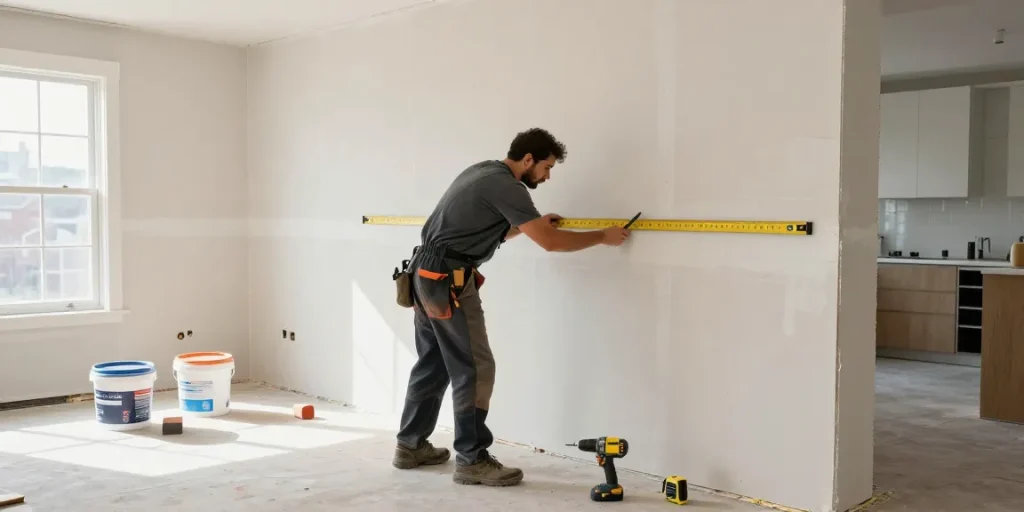
A drywall contractor specializes in the installation, finishing, and repair of drywall. Their work is essential in both new constructions and renovation projects. This entails measuring, cutting, and fixing drywall sheets to wall and ceiling structures, as well as taping and finishing the joints to create a smooth surface. More advanced tasks might include:
- Installing insulation behind drywall for soundproofing and energy efficiency.
- Applying various finishes, such as textures or paint.
- Repairing damaged drywall due to water, fire, or other incidents.
Importance of Hiring Professionals
Hiring a professional drywall contractor is important for several reasons. First and foremost, they bring expertise that ensures the quality and durability of the installation. Furthermore, professionals understand the complexities of building codes and regulations, ensuring compliance that might be overlooked by novices. This expertise minimizes the risk of costly mistakes that often arise from improper installation or finishing.
Common Services Offered by Drywall Contractors
Drywall contractors in Toronto typically offer a range of services that cater to various project needs. Common offerings include:
- Drywall Installation: This involves securing drywall sheets to framing or existing structures.
- Taping and Mudding: A crucial step to ensure smooth finishes, applying joint compound to seams and corners.
- Drywall Repair: Fixing holes, dents, or other damage in existing drywall.
- Finishing Services: Applying textures or paint to meet aesthetic requirements.
Choosing the Right Drywall Contractor in Toronto
Selecting the right drywall contractor in Toronto involves careful consideration of various factors to ensure the quality of work aligns with your project’s needs. The right contractor can make a significant difference in the outcome.
Key Qualities to Look For
When evaluating potential drywall contractors, consider the following attributes:
- Experience: Look for contractors with a solid track record in both residential and commercial projects.
- Licensing and Insurance: Ensure the contractor is licensed and carries adequate insurance to protect you from liability.
- Quality of Work: Examine past work through an extensive portfolio or client testimonials.
- Communication Skills: Effective communication is crucial for understanding your project specifics and any changes.
Questions to Ask Potential Contractors
Before making your choice, asking the right questions can help gauge a contractor’s capabilities:
- What is your experience with projects similar to mine?
- Can you provide references from past clients?
- What is your timeline for project completion?
- How do you handle unexpected challenges during the project?
Evaluating Contractors’ Portfolios and Reviews
Always take the time to examine a contractor’s portfolio and read reviews from previous clients. This provides insight into the quality of their work and their reliability. Many contractors also have online platforms where clients can leave reviews, which can give you an overall sense of their reputation in the community.
Cost Factors Involved in Drywall Installation
Understanding the cost breakdown for drywall installation in Toronto is essential for budgeting adequately. Costs can vary widely based on factors such as materials, labor, and project complexity.
Typical Pricing Structure in Toronto
On average, drywall installation costs in Toronto range from $1.50 to $3.50 per square foot. This pricing includes both the materials and labor required for installation, finishing, and any additional services you may require.
Understanding Material and Labor Costs
Material costs typically range from $0.24 to $0.70 per square foot, which includes drywall sheets, tape, and joint compound. However, the bulk of the costs will often come from labor, which constitutes the largest portion of the total expense. When discussing quotes, ensure it includes a breakdown of material and labor costs for clarity.
Budgeting for Additional Services
Depending on your specific needs, budgeting for additional services such as texturing, painting, or repair work is crucial. It’s wise to communicate clearly with your contractor about any additional services you might require so that they can provide an accurate estimate. Including a contingency in your budget to accommodate unforeseen expenses can also be beneficial.
Best Practices for Successful Drywall Projects
A successful drywall project requires careful planning, execution, and maintenance. By following best practices, you can ensure your project meets expectations.
Planning and Preparation Tips
Proper planning sets the stage for a successful drywall installation. Key steps include:
- Assess the area for any pre-existing issues that may affect installation.
- Choose the right materials for your specific needs, whether for moisture resistance or soundproofing.
- Create a timeline that aligns with your overall construction schedule to ensure smooth workflow.
Managing Timelines and Expectations
Maintaining open lines of communication with your contractor is vital for managing timelines and expectations. Regular updates regarding progress or any potential delays are essential to keep you informed and engaged in the project.
Post-Installation Care and Maintenance
Once your drywall installation is complete, proper care and maintenance are crucial to longevity. This includes promptly addressing any damages and protecting surfaces from moisture. Regular inspections can help identify issues early, ensuring your walls remain in excellent condition.
Future Trends in the Drywall Industry (2026 and Beyond)
The drywall industry is continuously evolving, impacting how contractors approach jobs and the materials they use. Staying informed on future trends can provide insights into what to expect as you plan your projects.
Innovative Materials and Techniques
As sustainability becomes more prevalent, the industry is likely to shift towards environmentally friendly materials and methods. Innovations in drywall composition, such as using recycled materials, will become more common.
Impact of Technology on Installation Processes
Advancements in technology, including the use of digital measurement tools and automated installation techniques, will likely streamline drywall processes. Such technologies can enhance accuracy and efficiency, leading to better overall results.
Sustainability Practices in Drywall Construction
With an increasing focus on sustainable practices, contractors may adopt greener methods such as minimizing waste and using energy-efficient products. This trend will not only benefit the environment but also appeal to a growing demographic of eco-conscious consumers.
How much does it cost to drywall in Toronto?
As noted earlier, costs can vary based on several factors, but on average, homeowners can expect to pay between $1.50 and $3.50 per square foot for drywall installation, excluding any additional services.
What should I look for in a drywall contractor?
Key considerations include experience, licensing, insurance, and an established reputation in the community. Evaluate their portfolio and customer reviews for an informed decision.
How can I prepare my home for drywall installation?
Preparation involves clearing the work area, ensuring easy access for the contractor, and addressing any underlying issues such as plumbing or electrical concerns that may impact the project.
What are the benefits of hiring a professional drywall contractor?
Benefits include expertise, efficiency, and compliance with local codes, resulting in a high-quality finish that may be difficult to achieve without professional experience.
What are the latest trends in drywall materials?
Recent trends indicate a shift towards sustainable and innovative materials, including eco-friendly options and drywall that incorporates soundproofing technologies.