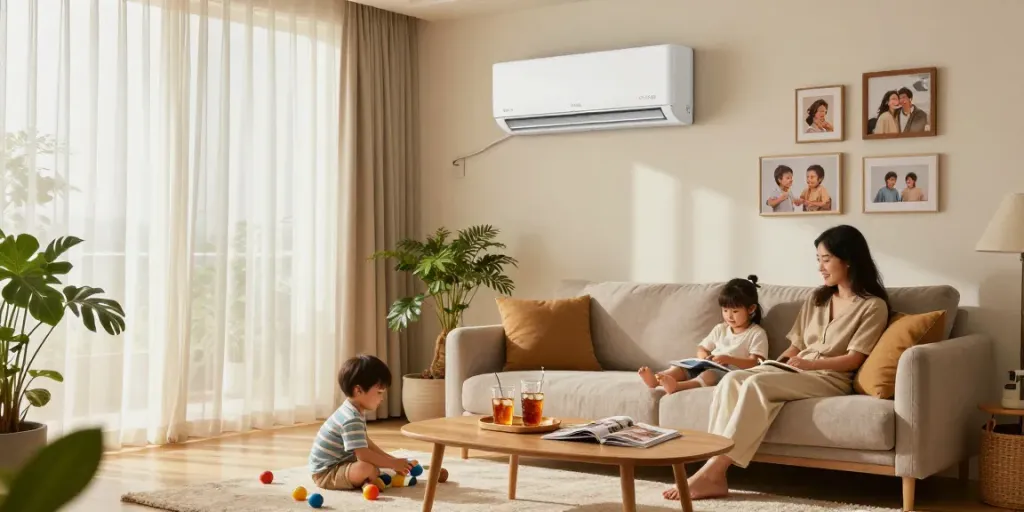
The Benefits of a Split AC Unit for Modern Homes
As summer temperatures rise and energy bills climb, homeowners are increasingly seeking efficient cooling solutions. The split AC unit has emerged as a frontrunner in home comfort systems, delivering both versatility and efficiency for climate control in various residential environments. These systems not only offer enhanced cooling capabilities, but they also promote better indoor air quality and streamlined operation, making them ideal for modern living spaces. When exploring options, split ac unit options provide comprehensive insights into the latest advancements in HVAC technology.
Energy Efficiency and Cost Savings
One of the most notable advantages of split AC units is their energy efficiency. Unlike traditional window units, which rely heavily on energy-consuming compressor systems, split systems use inverter technology that adjusts the compressor speed based on the cooling demand. This results in significant energy savings and lower utility bills. According to the U.S. Department of Energy, efficient mini-split systems can achieve energy efficiency ratings (SEER) upwards of 30, considerably higher than window units, which typically range around 12-15 SEER.
Moreover, many split AC units qualify for energy efficiency rebates and incentives from local utility companies, further enhancing their appeal to eco-conscious consumers. Homeowners can expect to see a reduction in their overall energy consumption by as much as 30%-40% with the adoption of this technology.
Improved Air Quality and Comfort
Another critical benefit of split AC units is the improvement in indoor air quality. These systems come equipped with advanced filtration systems that help remove dust, pollen, and other airborne contaminants, providing a healthier living environment. With the option to install multiple indoor units, homeowners can achieve customized air distribution across various rooms, ensuring that every space is evenly cooled and comfortable.
Additionally, many models come with dehumidification settings, which help in reducing humidity levels, making the indoor climate more comfortable during hot summer months. This feature is particularly beneficial in regions with high humidity, where traditional systems may struggle to maintain optimal conditions.
Noise Reduction Compared to Traditional Units
Noise is often a significant concern for homeowners, especially in urban environments where peace and quiet are hard to come by. Split AC units stand out for their ultra-quiet operation, with indoor units operating at sound levels lower than 30 decibels — quieter than a typical refrigerator. In comparison, window units can be quite disruptive, often producing noise levels that exceed 50 decibels.
This reduction in noise is primarily due to the outdoor compressor unit, which houses the noisy mechanical components away from living areas. As a result, homeowners can enjoy a more tranquil indoor environment, without the constant hum of traditional air conditioning systems.
Choosing the Right Split AC Unit
Selecting the right split AC unit for your home involves several considerations to ensure optimal performance and comfort. With an array of options available, evaluating key features and specifications can make the decision-making process more straightforward.
Key Features to Consider
When shopping for a split AC unit, it’s essential to focus on various features that can influence performance and user experience. Here are some crucial aspects to consider:
- Inverter Technology: Look for models that utilize inverter technology for better energy efficiency and consistent temperature control.
- Multi-Zone Capability: Consider whether a multi-zone system would be beneficial, allowing you to cool multiple rooms with individual temperature control.
- Smart Controls: Many modern units come with smart home integration capabilities, enabling users to control their systems remotely via smartphone apps.
- Filtration Systems: Opt for units that offer advanced air filtration options to improve indoor air quality.
Understanding BTUs and Space Requirements
British Thermal Units (BTUs) are a critical measurement in determining the cooling capacity of an AC unit. Understanding the BTU requirements for your space is essential for effective cooling. For instance, a room with high ceilings, significant sunlight exposure, or heavy insulation will require a larger BTU capacity than a standard room. As a general rule, a unit should provide about 20 BTUs per square foot of living space.
Homeowners should also consider the layout of the rooms and how many indoor units may be necessary. A detailed assessment of the living space will ensure that the selected split AC unit can achieve optimal performance without overworking the system.
Evaluating Brands and Models
With numerous brands and models available on the market, it is vital to conduct thorough research. Some reputable brands known for their efficiency and reliability include Mitsubishi, Daikin, and LG. Homeowners should seek models with strong customer reviews and those that meet energy efficiency ratings. Additionally, it’s beneficial to compare warranties and service agreements to ensure adequate support for maintenance and repairs.
Installation and Maintenance Tips
Proper installation and regular maintenance are crucial for ensuring the longevity and efficiency of your split AC unit. Following best practices can lead to enhanced performance and reduced costs over time.
DIY vs. Professional Installation
While some homeowners may consider a DIY approach to installing a split AC unit, it is often recommended to hire a professional installer. Proper placement of the indoor and outdoor units is essential, and a professional can ensure that all connections, including electrical wiring and refrigerant lines, are correctly established to avoid future issues. Moreover, professional installation can also help homeowners avoid voiding warranties.
Routine Maintenance Practices for Longevity
Regular maintenance is vital for extending the life of your split AC unit. Here are essential practices to follow:
- Cleaning or Replacing Filters: Filters should be cleaned monthly and replaced every 3-6 months, depending on usage.
- Checking Refrigerant Levels: Ensure refrigerant levels are adequate to maintain optimal cooling performance.
- Inspecting Drain Lines: Keep drain lines clear to prevent water damage and mold growth.
Taking these steps can prevent significant issues down the line and ensure that your unit operates efficiently year-round.
Common Issues and Troubleshooting
Even the best-maintained split AC units can experience problems over time. Some common issues include insufficient cooling, unusual noises, and leaking water. Homeowners can troubleshoot basic issues by checking for blocked air filters, ensuring that the thermostat is functioning correctly, and inspecting the outdoor unit for debris. If problems persist, it’s essential to consult with a professional technician for diagnosis and repair.
Cost Factors for Split AC Units
Understanding the costs associated with split AC units is vital for making informed purchasing decisions. Here are key factors that contribute to overall costs.
Upfront Costs vs. Long-term Savings
The initial investment for a split AC unit may be higher compared to traditional systems, but the energy savings over time can offset these costs. Homeowners should consider both upfront costs and potential operational savings, which can lead to a return on investment in just a few years.
Furthermore, it’s essential to factor in the long-term benefits, such as improved indoor air quality and increased property value due to modernized HVAC systems.
Installation and Additional Accessories Costs
Installation costs can vary significantly based on the complexity of the system and the installation location. Homeowners should obtain quotes from multiple contractors to ensure competitive pricing. Additionally, accessories such as advanced thermostats or upgraded filters may add to the total cost, but they can enhance the overall system performance.
Financing Options for Homeowners
Many HVAC companies offer financing options or payment plans, making it easier for homeowners to manage the costs associated with split AC installations. Some utility companies may provide incentives or rebates for energy-efficient systems, further alleviating financial burdens.
Future Trends in Split AC Technology
As technology advances, split AC units continue to evolve, offering even greater efficiency and performance for homeowners. Here are some future trends to watch.
Smart Home Integration and Automation
With the rise of smart home technology, many split AC units now come equipped with features that allow for seamless integration with smart home systems. Homeowners can remotely control their HVAC systems, set schedules, and receive maintenance notifications, enabling greater convenience and energy management.
Green Technology Advances in HVAC Systems
There is a growing emphasis on sustainability within the HVAC industry. Future split AC units will likely incorporate environmentally friendly refrigerants and energy-efficient technologies designed to reduce carbon footprints. Homeowners can expect to see increased availability of units that are not only effective in cooling but also environmentally responsible.
Market Predictions for 2026 and Beyond
Market analysts predict that the demand for split AC units will continue to grow, especially as more homeowners seek energy-efficient solutions in an era of climate change. This trend will drive innovation, pushing manufacturers to enhance product features, reduce costs, and develop cutting-edge technologies.
How Can I Maximize the Efficiency of My Split AC Unit?
To maximize efficiency, homeowners should regularly maintain their systems, use programmable thermostats to optimize cooling schedules, and ensure proper insulation in their homes to reduce the workload on their units.
What Size Split AC Unit Do I Need for My Home?
Determining the appropriate size involves calculating the BTUs required based on room dimensions, insulation quality, and local climate conditions. Consulting with an HVAC professional can ensure a suitable fit for optimal performance.
What Are the Best Maintenance Practices for Split AC Units?
Best practices include regular filter changes, seasonal professional inspections, and ensuring unobstructed airflow around the outdoor unit. These actions help to maintain system efficiency and prolong lifespan.
How Do Split AC Units Compare to Central Air Systems?
Split AC units offer more flexibility and energy efficiency than traditional central air systems, particularly in homes without existing ductwork. This makes them an excellent choice for retrofitting older buildings.
What Are the Latest Innovations in Split AC Technology?
Recent innovations include enhanced inverter technology for better energy management, smart home connectivity, and improved filtration systems capable of purifying indoor air more effectively.